Whether it’s a ‘Dodger’ blue cap with the letters L and A stitched to its front panels or a solid black cap with the distinctive letter P shining in gold hues, chances are you know these hats and the teams they represent. Yet the two emblems, along with a handful of others, have also come to represent a whole other affiliation. The Dodgers and Pirates are among a handful of teams to have had hats adopted into gang culture, earning them spots on our list of most gang-affiliated hats.
This article is part of our complete guide to How Hip-Hop Changed Everything.
It’s All in the Hat
The baseball cap is one of the most popular ways to show love for a sports team. This seemingly subtle bit of accouterment is a clear sign of loyalty for a team slightly more involved than the casual fan.
Gang members aren’t exactly pronouncing their loyalty to a team when they rock one of these babies, nor are they riding some local bandwagon. In their eyes, the team logo on the crest of the cap has little to do with sports and everything to do with repping a set. Some of America’s most notorious gangs have claimed sports team logos to signify who they roll with and often who they will die for. So, without further ado…
The History of Gang-Affiliated Sports Hats
The connection between street gangs and professional sports hats didn’t happen overnight. It grew out of a very specific time and place: Los Angeles and Chicago in the late 1970s and early 1980s, when gang culture, hip-hop, and sportswear started colliding in ways that nobody in a corporate boardroom could have predicted.
In LA, the Crips and Bloods were already deep into color coding by the mid-’70s. Blue and red weren’t just preferences, they were declarations. And when you need to fly a color, a fitted cap from a professional sports team is about as clean and accessible as it gets. You could walk into any hat shop, any mall, any swap meet and walk out wearing your set’s color on a legit piece of headwear. No custom embroidery needed. Los Angeles Dodgers blue was right there on the shelf. So was Cincinnati Reds red. The teams did the design work for free.
Chicago followed a similar arc. The Gangster Disciples, Vice Lords, and Latin Kings were all active in a city with no shortage of professional sports teams to pull from. A White Sox cap or a Bulls fitted wasn’t just a fashion choice on certain blocks, it was a statement. The difference was that Chicago’s gang landscape was even more fractured, which meant more teams got pulled into the mix.
What made sports hats so effective as gang identifiers was plausible deniability. A bandana is a bandana. But a Pittsburgh Pirates hat? That’s just a guy who likes baseball. Law enforcement caught on eventually, but for a while, the fitted cap was the perfect middle ground: visible enough for those who knew what to look for, innocent enough for everyone else.
Then came the New Era 59FIFTY. The fitted hat had been around for decades, but by the late ’80s and early ’90s, it became the headwear of choice for an entire generation. Flat brim, structured crown, that unmistakable silhouette. New Era wasn’t marketing to gangs, they were marketing to baseball fans. But the streets had already decided that the 59FIFTY was the standard. That was that.
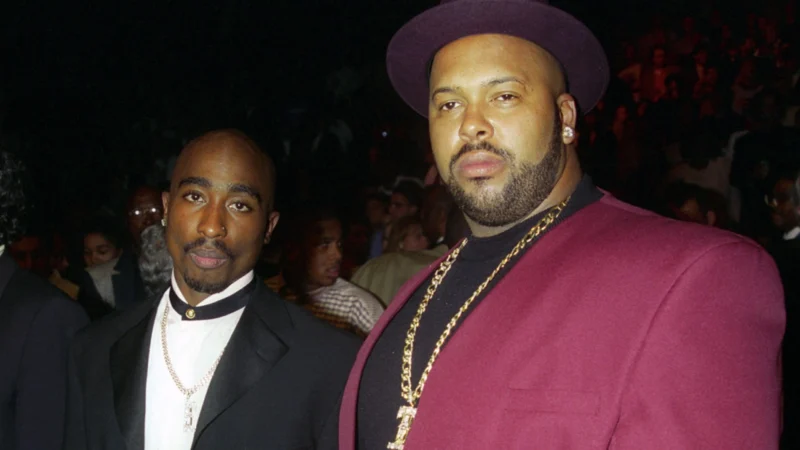
Hip-hop sealed the deal. When Eazy-E put on a black Los Angeles Kings hat, not because he was a hockey fan but because it looked hard, he turned a piece of sports merch into a cultural uniform. N.W.A. repped LA teams as part of their identity. Ice Cube wore Raiders gear like it was body armor. Snoop made the Steelers beanie iconic for Long Beach. These weren’t sponsorship deals. These were artists wearing what their neighborhoods wore, then broadcasting it to millions. Once MTV and BET got hold of it, the association between gangs, hip-hop, and sports hats went from local knowledge to national conversation practically overnight.
By the mid-’90s, the playbook was established. Gangs across the country, not just in LA and Chicago, were adopting professional sports teams based on colors, initials, and regional loyalty. And the fitted hat was the single easiest way to rep that affiliation in plain sight.
How to read this list: the gang affiliations below are drawn from law-enforcement gang-identification materials, gang-history archives, and culture reporting. Adoption is regional and shifts over time, a hat that signals an affiliation on one city block can be meaningless three states away. None of these caps are “gang” items in themselves; they are mass-market sports merchandise that specific gangs have claimed through color, initials, or wordplay.
Top 10 Most Gang Affiliated Hats
Seattle Mariners
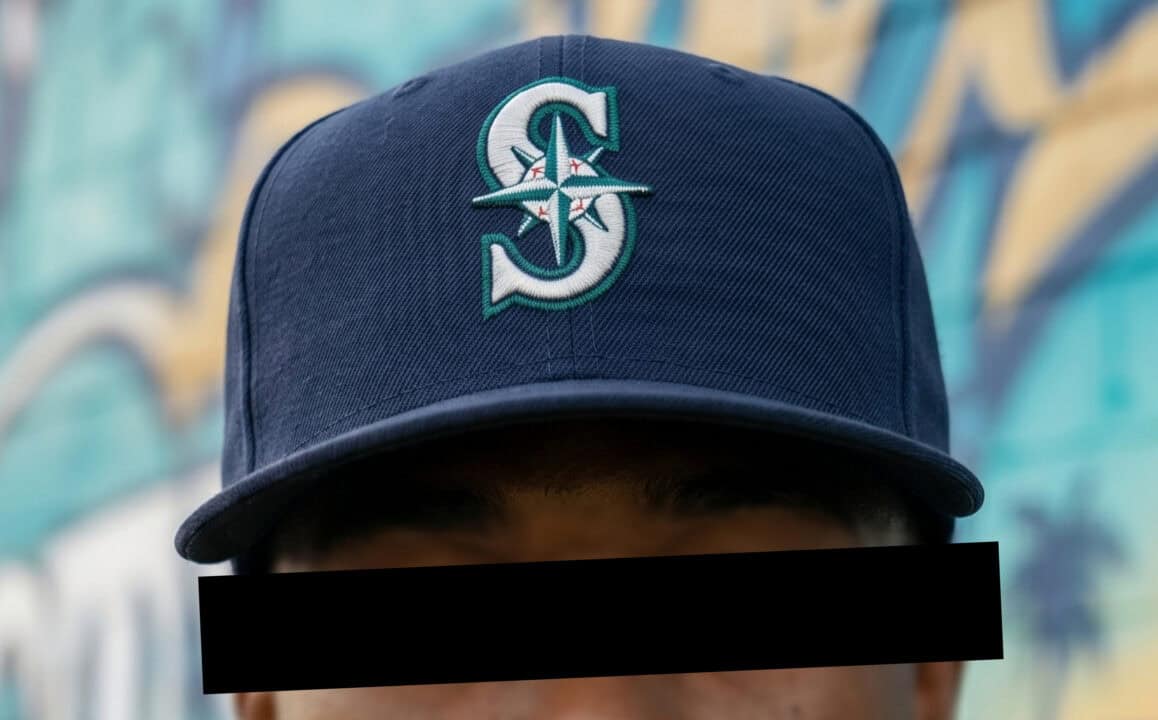
Worn by: The Rollin’ 60s Neighborhood Crips of South Los Angeles, one of the largest Crip sets in the city.
Reasoning: For the Rollin’ 60s, the Mariners’ compass-rose “S” is a direct stand-in for “Sixties,” the number at the very core of the set’s identity. The navy crown also satisfies the broader Crip allegiance to blue, which means the hat operates on two levels at once: color and letter. What could otherwise pass for a simple baseball cap functions as a layered piece of in-group signaling.
The association tightened during the late 1980s and early 1990s, when the Rollin’ 60s expanded their influence up the coast into Seattle and Portland. That geographic spread added another layer of resonance to a Pacific Northwest team. Outside this specific set, the Mariners cap carries little gang meaning, making it one of the more set-specific entries on the list.
Oakland A’s
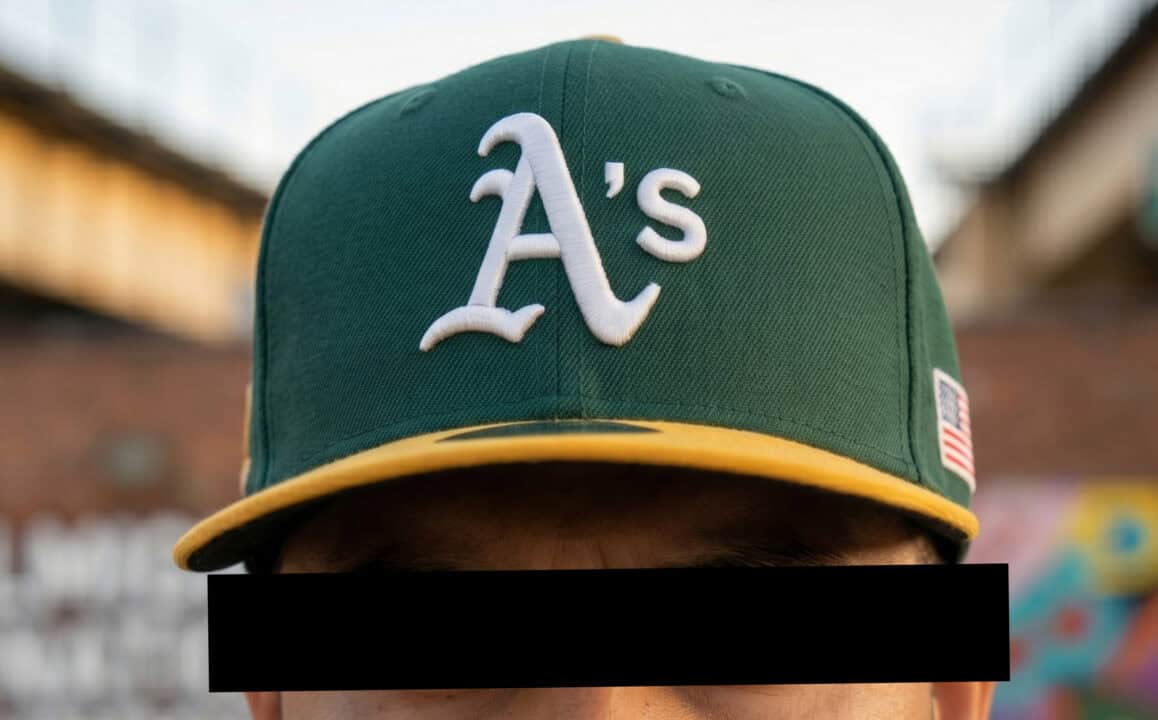
Worn by: Three Chicago gangs in the Folk Nation orbit, the Almighty Ambrose, Orquestra Albany (OA), and the Insane Spanish Cobras.
Reasoning: The logic here splits between letters and color. For Almighty Ambrose and Orquestra Albany, the Athletics’ interlocking “A” doubles as the initial of each gang’s name. For the Spanish Cobras, the draw is the A’s green-and-gold colorway, which maps cleanly onto the set’s own colors. One team logo serving two completely different selection criteria is a recurring pattern across this list.
All three of these gangs are documented Chicago street gangs woven into the Folk Nation alliance structure. Orquestra Albany was sponsored into the Folk alliance by the Spanish Cobras back in 1978. The A’s cap reads as a Folk-side marker on certain Chicago blocks rather than as any kind of West Coast signal.
Georgetown Hoyas
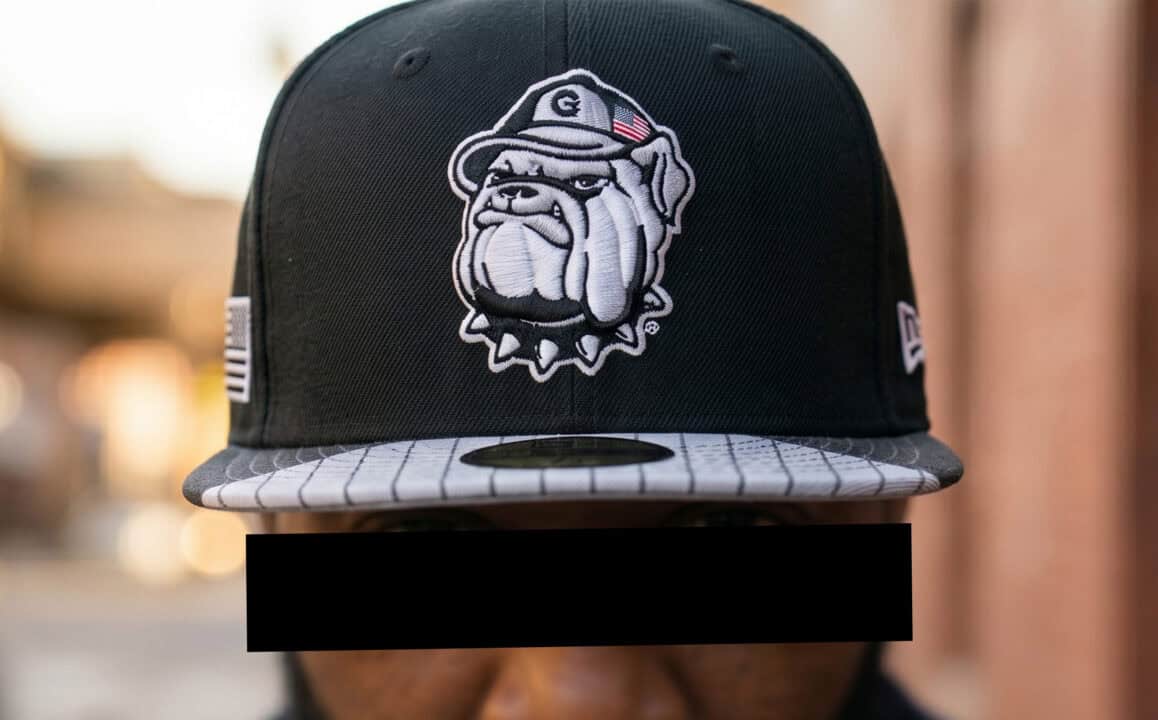
Worn by: Folk Nation gangs out of Chicago, principally the Gangster Disciples and the Black Disciples.
Reasoning: The Hoyas cap is pure wordplay. To the Gangster Disciples, “Hoya” reads as an acronym for “Hoover’s On Your A**,” a direct tribute to Larry Hoover, who co-founded the Gangster Disciples and helped organize the Folk Nation alliance in the late 1970s. That one acronym alone is enough to lock the cap into the gang’s identity.
The university’s actual nickname has nothing to do with any of this. “Hoya” comes from a 19th-century student chant, “Hoya Saxa,” a Greek-and-Latin mash-up roughly meaning “what rocks.” The gap between the school’s genteel origin story and the street reading is exactly what made the cap such a durable identifier in the first place.
Minnesota Twins
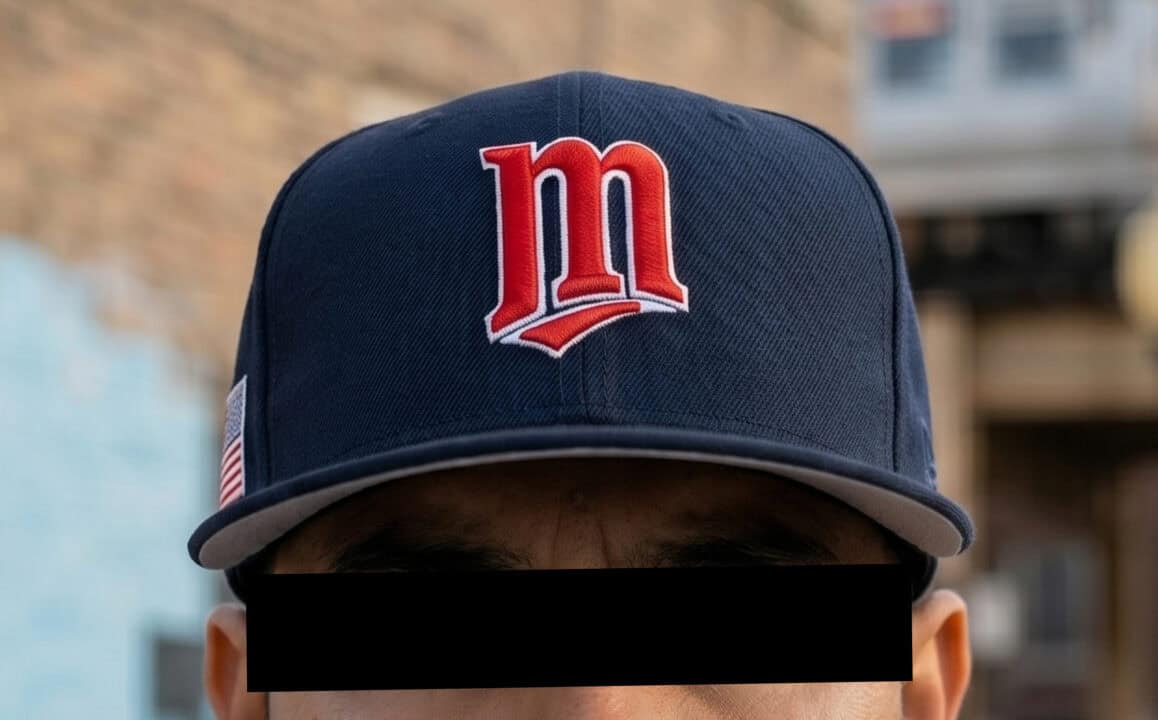
Worn by: The Maniac Latin Disciples of Chicago and the Crenshaw Mafia Gangster Bloods of Los Angeles. Note: the affiliation attaches to the Twins’ “M” cap specifically, not the classic “TC” (Twin Cities) crown.
Reasoning: Both claims rest on a single letter: “M.” For the Maniac Latin Disciples, a Folk Nation gang out of Chicago, the “M” stands for “Maniac.” For the Crenshaw Mafia Gangsters, an L.A. Blood set, the same “M” reads as “Mafia.” The Twins cap becomes one of the cleanest examples on this list of two completely unrelated gangs, on opposite ends of the country, independently claiming the same hat off the same single initial.
The Twins also have their classic “TC” (Twin Cities) crown, which carries a separate and much looser association with a handful of Crip sets. But it is the “M” cap that carries the documented dual claim, and that distinction matters when you are trying to read a cap in context.
San Francisco 49ers
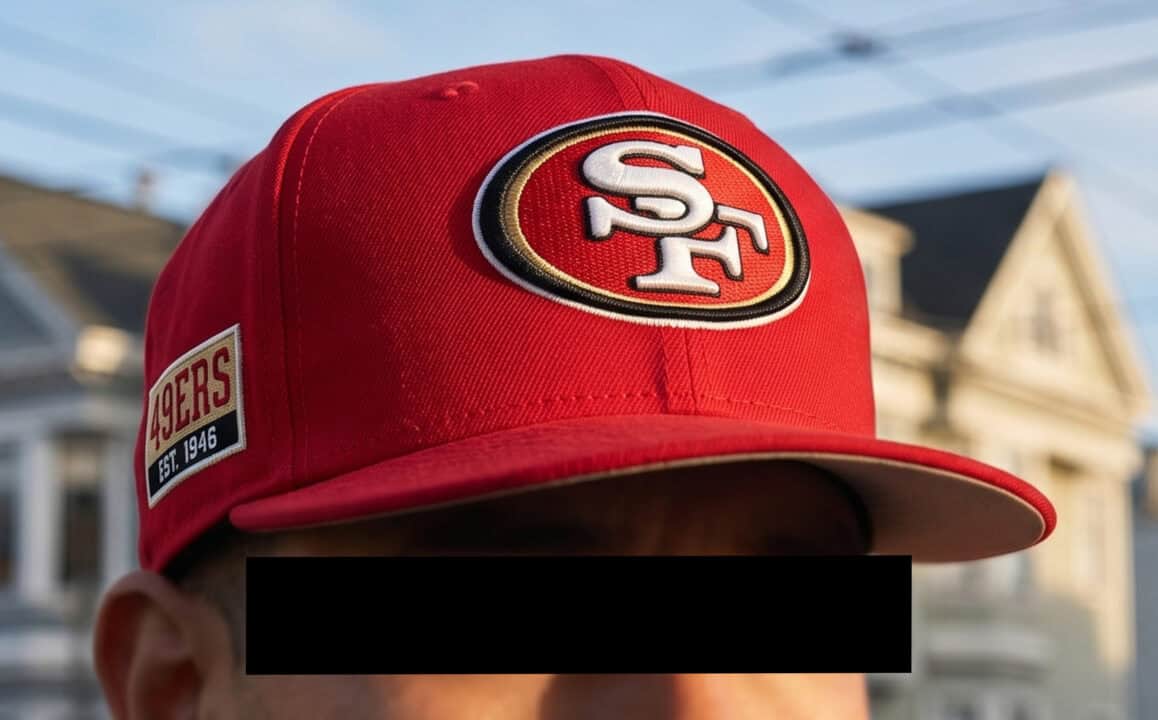
Worn by: The Norteños of Northern California, and, far more marginally, Chicago’s Stoned Freaks.
Reasoning: For the Norteños, the 49ers cap is close to a perfect fit. The team’s red is the Norteño color, and the interlocking “SF” gets read as a direct shot at their rivals. Norteños commonly refer to Sureños as “scraps” and “sewer rats,” so the very initials of San Francisco end up doing double duty as an insult. The same letter-and-color preference also shows up in Norteño adoption of Nebraska and UNLV gear.
The Stoned Freaks claim on “SF” is a separate, Chicago-specific case and is far less prominent. The underlying Norteño–Sureño split itself traces back to a 1970s California prison war between the Nuestra Familia and the Mexican Mafia, a divide that still organizes Latino gang identity across the West Coast today.
Pittsburgh Pirates
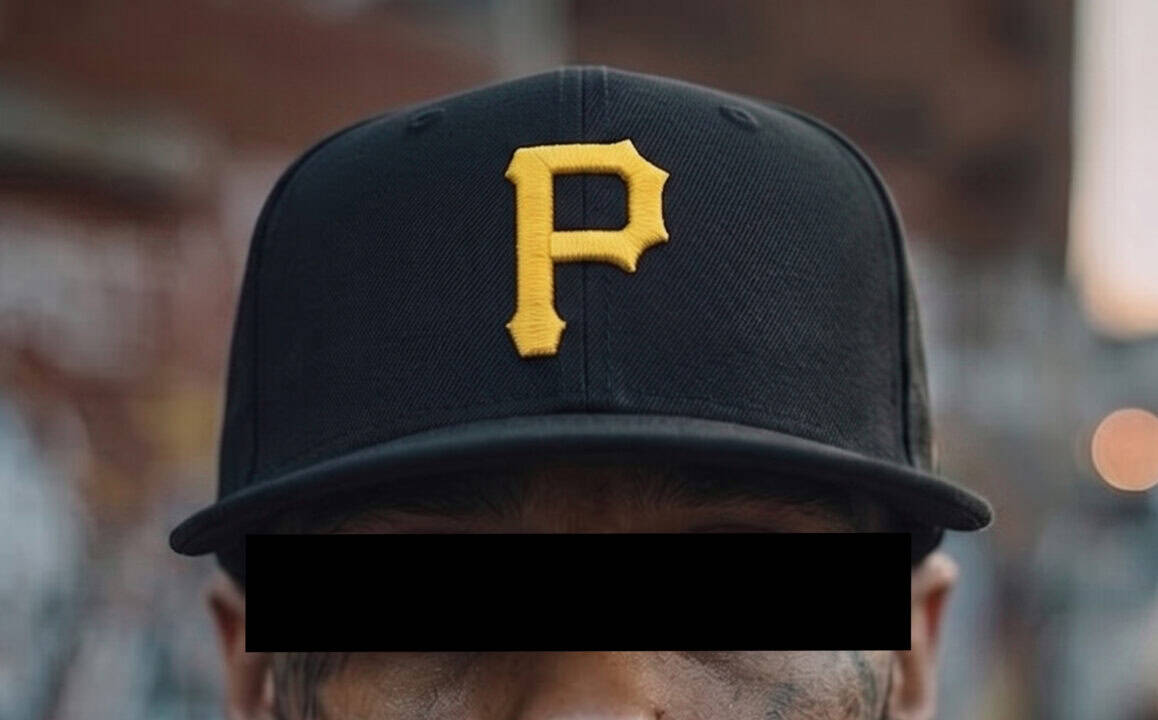
Worn by: The Latin Kings (Chicago, New York, and dozens of other cities), the Piru Bloods of Los Angeles, and L.A.’s Primera Flats.
Reasoning: The Pirates cap is a rare case where one hat serves two completely different gangs through two completely different cues. For the Latin Kings, the draw is the black-and-gold colorway, the Kings’ own colors, combined with the “P,” which they read as “People” (the Latin Kings sit under the broader People Nation umbrella). For the Piru Bloods of Los Angeles, that very same “P” simply stands for “Piru.”
In L.A. alone the Piru Bloods run dozens of distinct sets, most of which recognize the cap. When you combine a high-profile colorway with a single high-value initial, you end up with what is, by most accounts, one of the two or three most widely gang-adopted hats in the entire country.
Houston Astros
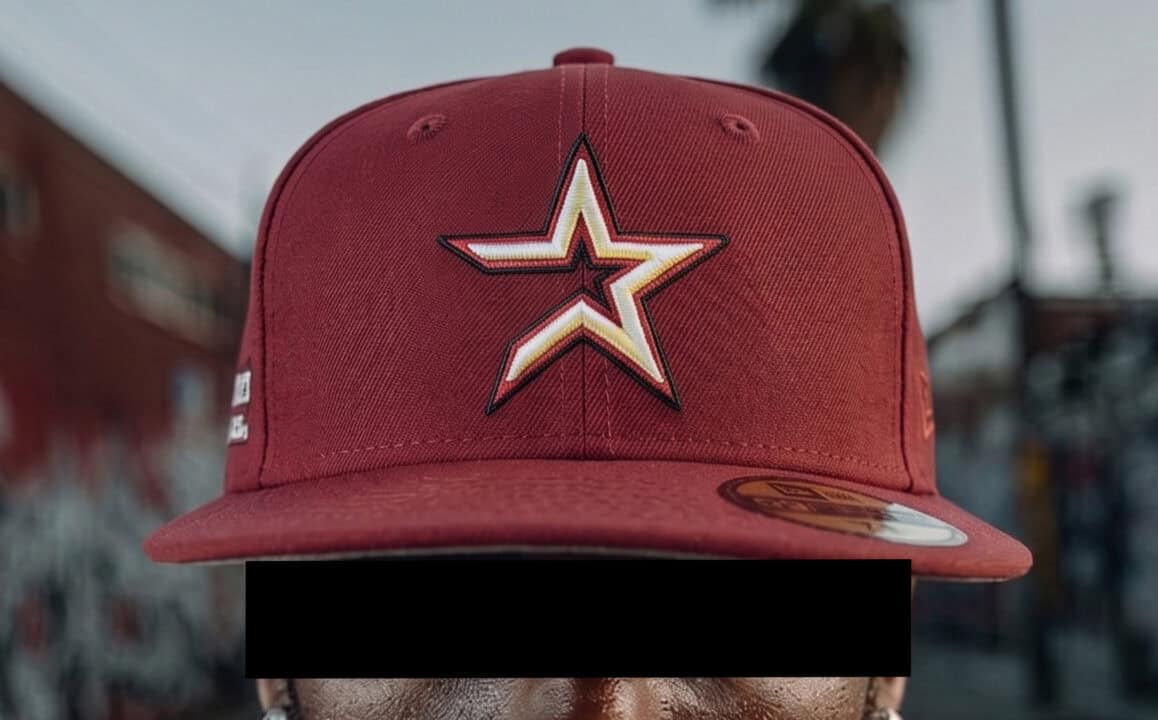
Worn by: A wide spread, People Nation and Folk Nation gangs in Chicago, the Bloods and Hoover Criminals in Los Angeles, and Houston’s own Puro Tango Blast.
Reasoning: The Astros cap is unusually versatile because the team has cycled through so many logo and color variants over the decades. People Nation gangs claim the classic five-point-star Astros logo, since the five-pointed star is their core symbol. Folk Nation, whose own symbol is the six-pointed Star of David, reads that same five-point star as “broken,” a deliberate disrespect of People Nation, and tends to lean toward the blue colorways to avoid any confusion at a distance.
The Hoover Criminals gravitate to the retro version of the hat with its Old-Western “H,” while Puro Tango Blast, a Texas prison-born network, claims the cap on pure Houston hometown loyalty. The modern scarlet-colored Astros cap also slots neatly into Bloods red. Few hats on this list illustrate the “colors and initials over everything” logic quite as completely.
Chicago Bulls
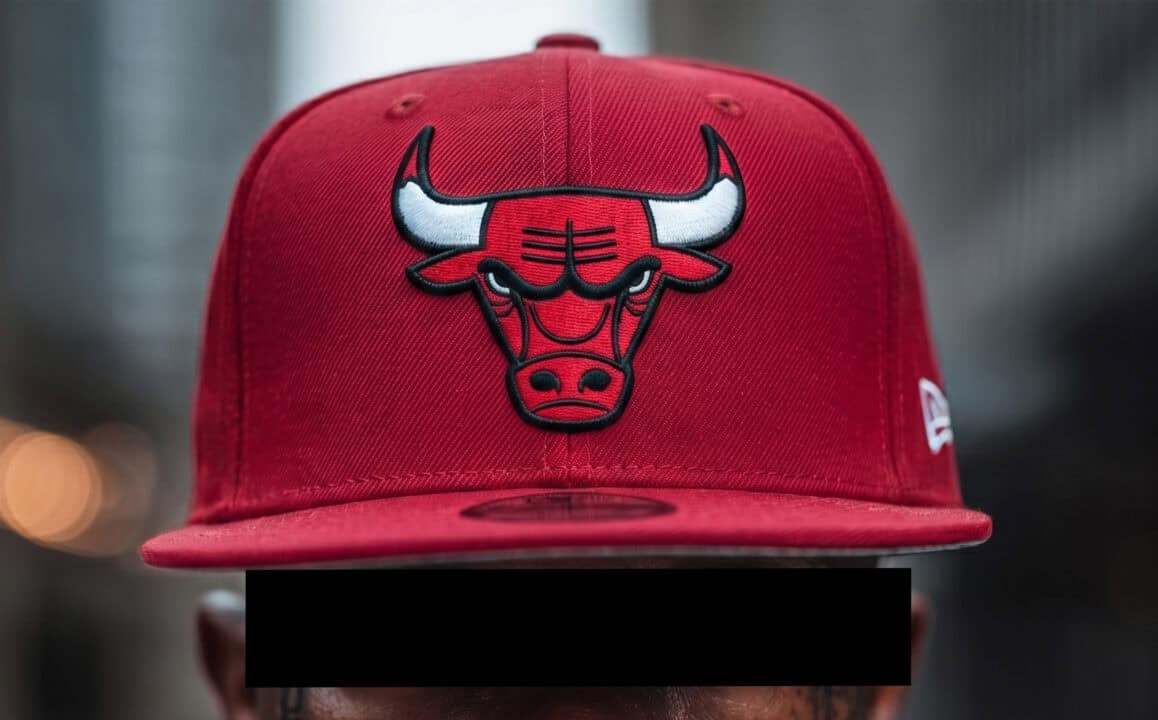
Worn by: Bloods nationwide, plus a cluster of People Nation gangs in Chicago, the Black P Stone Nation, Vice Lords, and Mickey Cobras among them.
Reasoning: The Bulls cap works on color first. Red and black map onto Bloods colors nationally and onto several People Nation sets in Chicago, including the Mickey Cobras (whose colors are green, black, and red) and the Vice Lords. On top of the color logic sits an additional layer of acronym folklore: documented gang lore holds that “BULLS” has been backronymed into “Boy U Look Like Stone” by the Black P Stone Nation and “Bloods Usually Live Life Strong” (or “Smart”) by Blood sets.
Those acronym readings are best treated as street folklore rather than as verified doctrine. The underlying color affiliation itself is very well documented. It also helped that the Bulls were a global brand at the exact moment this culture was spreading nationwide, which made the cap one of the most visible gang-adopted hats in the country.
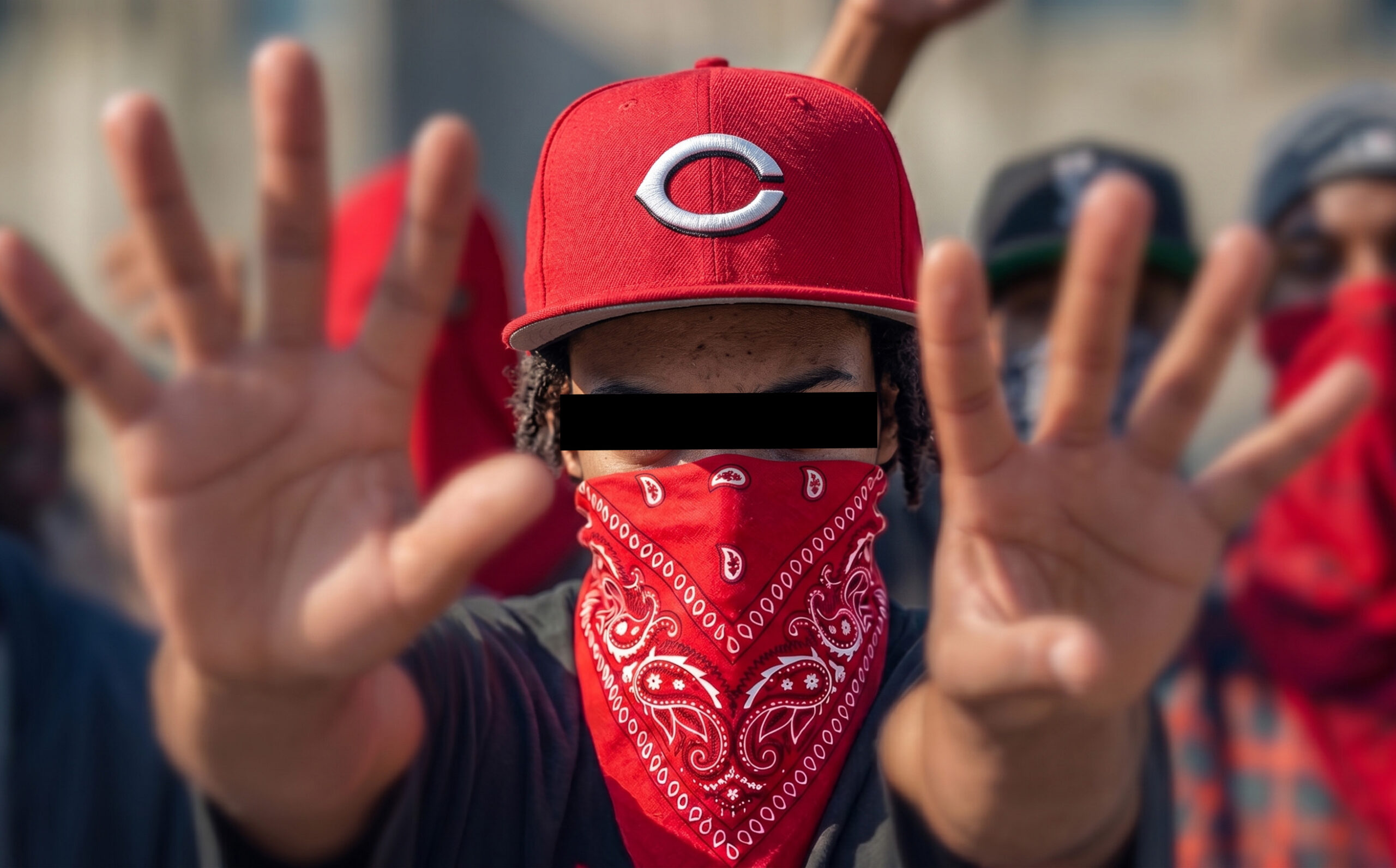
Cincinnati Reds
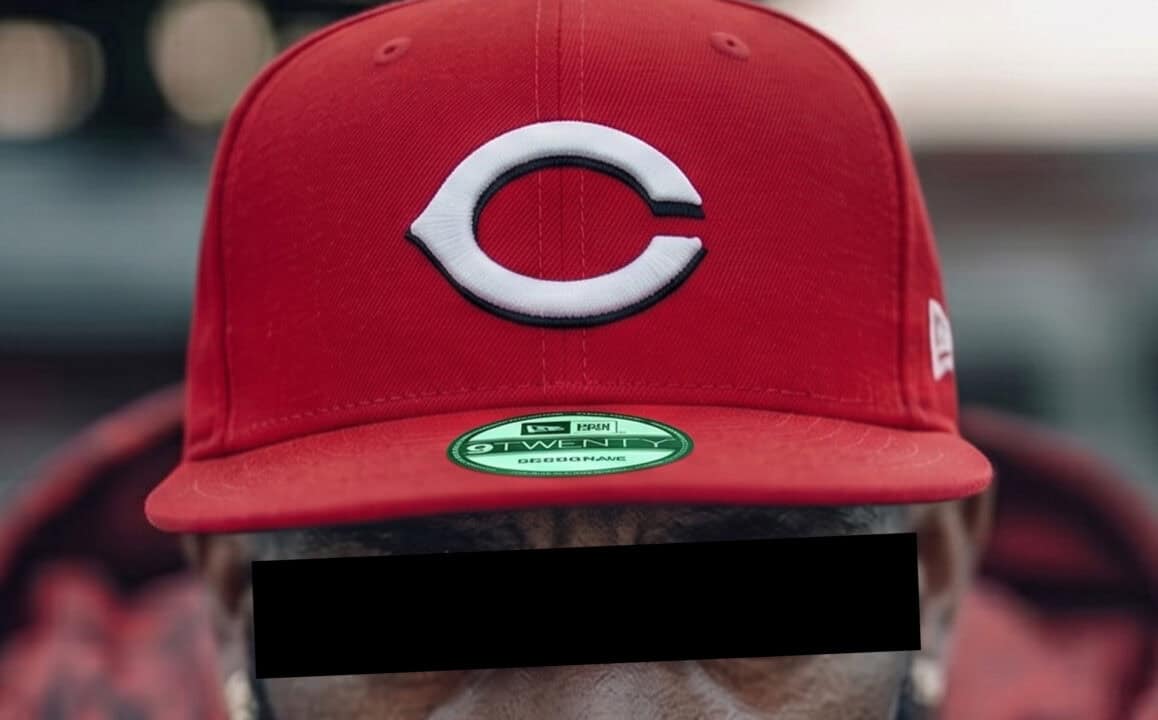
Worn by: The Cedar Block Piru, a specific Blood set out of Compton, California.
Reasoning: This is the most over-generalized entry in the popular imagination. Because rappers like The Game and Lil Wayne foregrounded Blood identity in their music, the Reds cap is widely assumed to be a generic, nationwide Blood hat. In documented practice the actual association is much narrower than the reputation suggests.
The “C” stands for “Cedar,” which ties the cap specifically to the Cedar Block Piru, a Blood set originating out of Compton, California. The red satisfies Blood color in general, and the “C” itself carries a bonus meaning as a jab at the blue-wearing Crips. East Coast Blood sets have also been documented in Reds caps. Still, the core consistent association is the Cedar Block Piru, not the Bloods writ large.
Los Angeles Dodgers
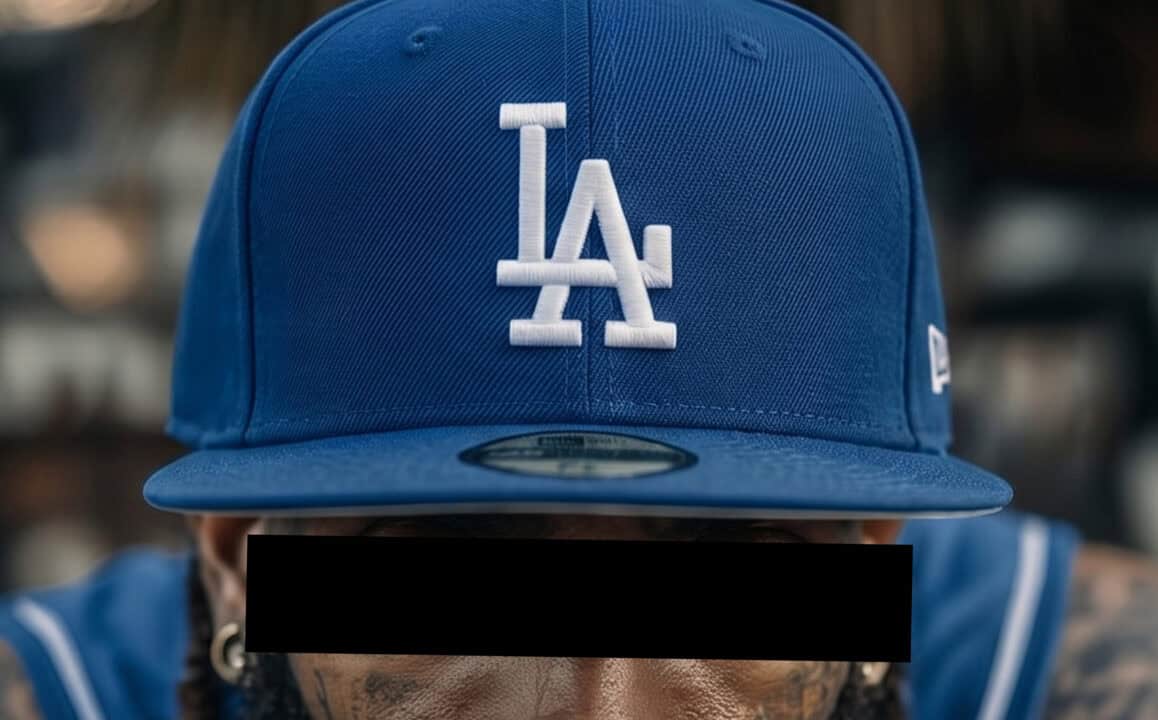
Worn by: The Crips of Los Angeles, the Sureños of Southern California, and the Gangster Disciples of Chicago, making it, by consensus, the single most gang-adopted hat in American sports.
Reasoning: The Dodger Blue cap is the rare hat that satisfies three separate gangs for three completely separate reasons. For the Crips, the draw is purely the color: Dodger blue is, simply put, Crip blue. For the Sureños, the appeal is the interlocking “LA” itself, a straightforward claim on the city of Los Angeles (the Sureños being the Southern California Latino gang structure, the “southerners” of the Norteño–Sureño divide). For the Gangster Disciples out of Chicago, the relevant version is the cap bearing the standalone “D,” read as “Disciples.”
Because the “LA” mark functions as a civic emblem rather than as a strictly gang-specific symbol, it gets claimed widely and across regional lines. That widespread adoption is exactly what makes the Dodger Blue cap the single most recognizable gang-affiliated hat in the entire country, and the natural namesake of this list.
Why These Teams and Not Others?
If you’ve made it through that list, you might be wondering why these specific teams keep coming up while others don’t. Nobody’s out here claiming the Arizona Diamondbacks or the Milwaukee Brewers. There’s a logic to it, it’s just not the kind of logic you’d find in a marketing textbook.
The most obvious factor is geography. Gangs tend to claim teams from their own city or region. Crips and Bloods in LA gravitated toward the Dodgers, Lakers, and Raiders because those were their hometown teams. Chicago gangs did the same with the Bulls, White Sox, and Cubs. When you already identify with a city, repping its teams is a natural extension of that identity. The team becomes a stand-in for the turf.
Then there’s the letter game. The Pittsburgh Pirates “P” doesn’t stand for Pittsburgh on every block, it stands for Piru. The Kansas City Royals “KC” gets read as “Kill Crips” in certain circles. A Georgetown Hoyas hat becomes about the “G” more than the university. Gangs are resourceful with acronyms, and the alphabet only has 26 letters. A lot of teams end up getting recruited whether they like it or not.
Color matching is the other big driver. If your gang flies blue, you’ve got a whole catalog of teams to choose from. Dodgers, Royals, Duke, North Carolina. Red? Reds, Cardinals, Bulls, 49ers. Black and gold? Saints, Pirates, Steelers. The color has to be right first. The letter or logo is a bonus.
What’s worth noting is that these associations aren’t static. Some have faded over the decades as gangs splinter, relocate, or evolve. The Raiders were once so tied to gang culture in LA that the NFL’s decision to move the team back to Oakland (and later to Vegas) actually shifted the dynamic. Other associations, like the Dodgers and Crip culture, have proven more durable, partly because the team never left and partly because hip-hop keeps reinforcing the connection. The ones that stick tend to be the ones where geography, color, and cultural weight all line up at once.
Can You Still Wear These Hats?
This is the question that comes up every single time someone publishes a list like this, and it’s a fair one. If you just bought a clean Dodgers fitted because you actually watch baseball, do you need to worry about it? Short answer: probably not. But a little awareness goes a long way.
Context is everything. A Dodgers hat at Dodger Stadium is just a Dodgers hat. A Yankees cap in Manhattan is about as controversial as a cup of coffee. You’re surrounded by tens of thousands of people wearing the same thing. Nobody’s reading into it. Where things get more nuanced is when you’re wearing a team hat with no obvious connection to fandom, wrong city, wrong context, and you happen to be in a neighborhood where colors still carry weight. That’s a narrow scenario, but it exists.
It’s also worth understanding color blocking. Wearing a red fitted with a full red outfit in certain parts of LA or Chicago sends a different message than wearing that same hat with jeans and a grey hoodie. Gang identification is rarely about a single item, it’s about the full picture. A hat by itself is almost never the problem. A hat combined with head-to-toe color coordination in the wrong zip code is where things can get complicated.
Here’s the bigger truth, though: fashion has largely reclaimed these symbols. The generation that’s buying fitted hats right now is mostly doing it for the aesthetic. Vintage sports hats are a whole subculture. People collect them, match them to sneakers, wear teams they’ve never watched play a single game. The cultural meaning has shifted. A kid in Tokyo wearing a Chicago White Sox hat isn’t making a statement about the South Side. He saw it on Instagram and thought it looked fire.
So no, don’t overthink it. Wear what you like. Just be aware that these associations exist, that they haven’t fully disappeared everywhere, and that a little situational awareness never hurt anyone. You don’t need to memorize a chart. You just need to not be oblivious.
Poll Results
Poll: What’s the Best Sneaker Brand of All Time?
Note: Threads only allows 4 options. If you’re here from Threads, vote now for your favorite that didn’t get love on Threads or choose Other if you don’t see your choice.


*Threads poll is closed.
Cast your vote
What’s the Best Sneaker Brand of All Time?
Cast your vote
Poll: What’s the Best Sneaker Brand of All Time?
Note: Threads only allows 4 options. If you’re here from Threads, vote now for your favorite that didn’t get love on Threads or choose Other if you don’t see your choice.
*Threads poll is closed.
Reasoning: Black and gold Yankee hats used to be a staple among the Latin Kings. The Pittsburgh Pirate fitted has recently become more prominent. The “P” logo makes an obvious match for L.A.’s Piru Bloods.
Frequently Asked Questions About Gang Affiliated Hats
The most commonly associated hats include the LA Dodgers (Crips), Cincinnati Reds and Chicago Bulls (Bloods), Pittsburgh Pirates (Piru Bloods and Latin Kings), LA Raiders (various LA gangs), and the Georgetown Hoyas (Gangster Disciples). Colors, initials, and geography all play a role in which teams get claimed.
Sports hats serve as a low-key way to rep gang colors and initials without wearing something overtly gang-related. A professional team hat offers plausible deniability while still signaling affiliation to those who know what to look for.
Yes. The vast majority of people wearing Dodgers hats are just baseball fans, and that is how it reads in almost every context. At a game, in most cities, or as part of a casual outfit, nobody is going to think twice. Just use common sense about your surroundings.
The Pittsburgh Pirates hat has been associated with both the Latin Kings (who use the P for their People Nation alliance) and Piru Bloods (who read the P as Piru). The black and gold colorway also aligns with Latin Kings colors.
The practice took root in the late 1970s and early 1980s, primarily in Los Angeles and Chicago, as gangs began using team colors and logos to signal affiliation. It became mainstream in the late 80s and early 90s when hip-hop artists like Eazy-E and Ice Cube wore LA team hats as part of their public image.