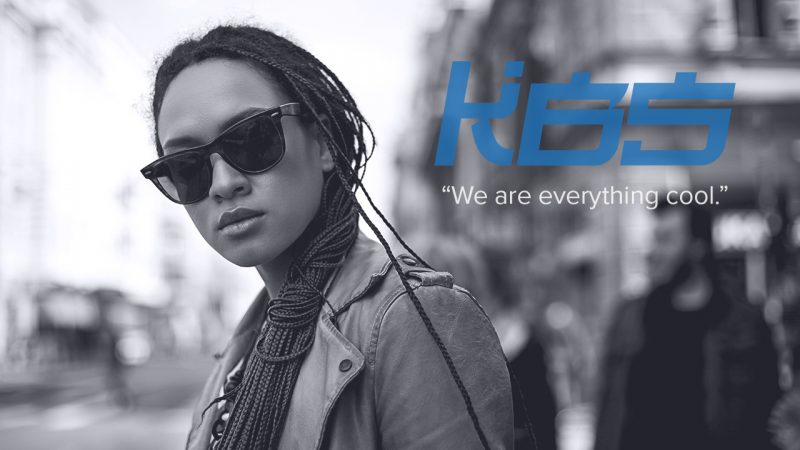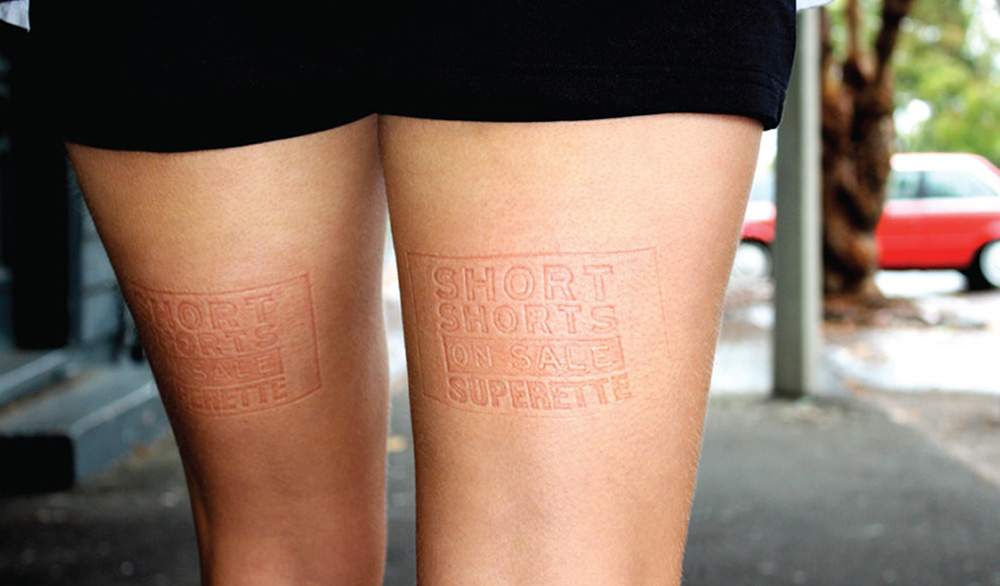
Guerrilla marketing was originally a strategy in which low-cost, unconventional means (graffiti, sticker bombing, flyer posting) were used in a generally localized fashion to draw attention to an idea, product, or service. Today, guerrilla marketing also includes promotion through networks of individuals, groups, or organizations using flash mobs, viral campaigns, or internet marketing.
Wikipedia
Guerrilla marketing has become so common that the unconventional has become conventional. Brands keep rolling out contrived versions of the format and diluting the impact. The genuine examples below, pulled from advertising work that actually broke through, show why the format still has teeth when it’s done right. The term itself was popularized by Jay Conrad Levinson in his 1984 book Guerrilla Marketing.
The social era of guerrilla
Social media changed the game. Facebook, Twitter, and later Instagram made low-budget marketing easier to deploy. Easier doesn’t mean better, though. Consumers face a constant flood of ads, so the bar for “wowing” them with originality has climbed sky-high.
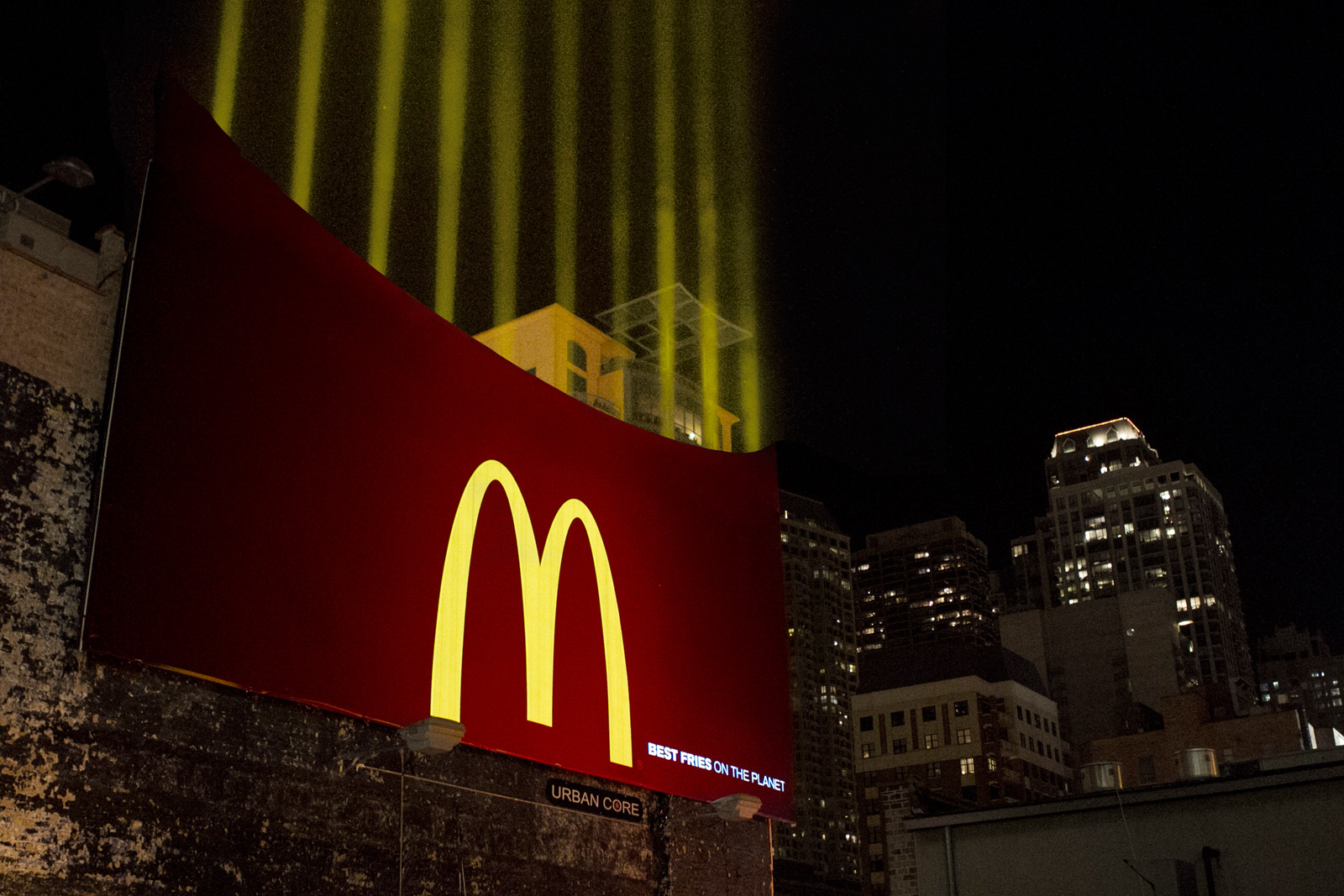
Brands using guerrilla as a tool need to qualify their target market first. After that, they can capitalize on momentous events. Nike runs guerrilla campaigns timed to global moments like the World Cup. The piggyback effect is part of the playbook.
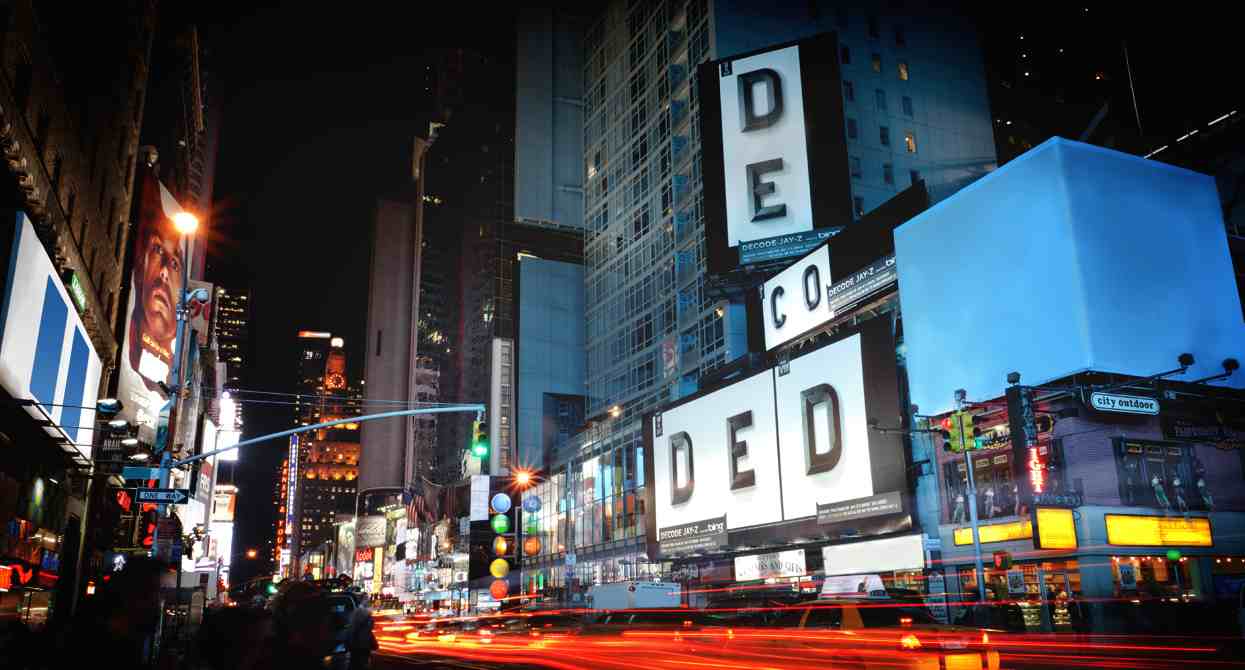
Jay-Z’s Decoded book launch is a classic example. The campaign placed pages of the memoir in real-world locations tied to the lyrics, like a Gucci store, a basketball court, a pool float. In partnership with Microsoft Bing, the campaign turned the city into a treasure hunt. The actual ad spend was substantial, sure, but the format itself read as guerrilla, and that was the point.
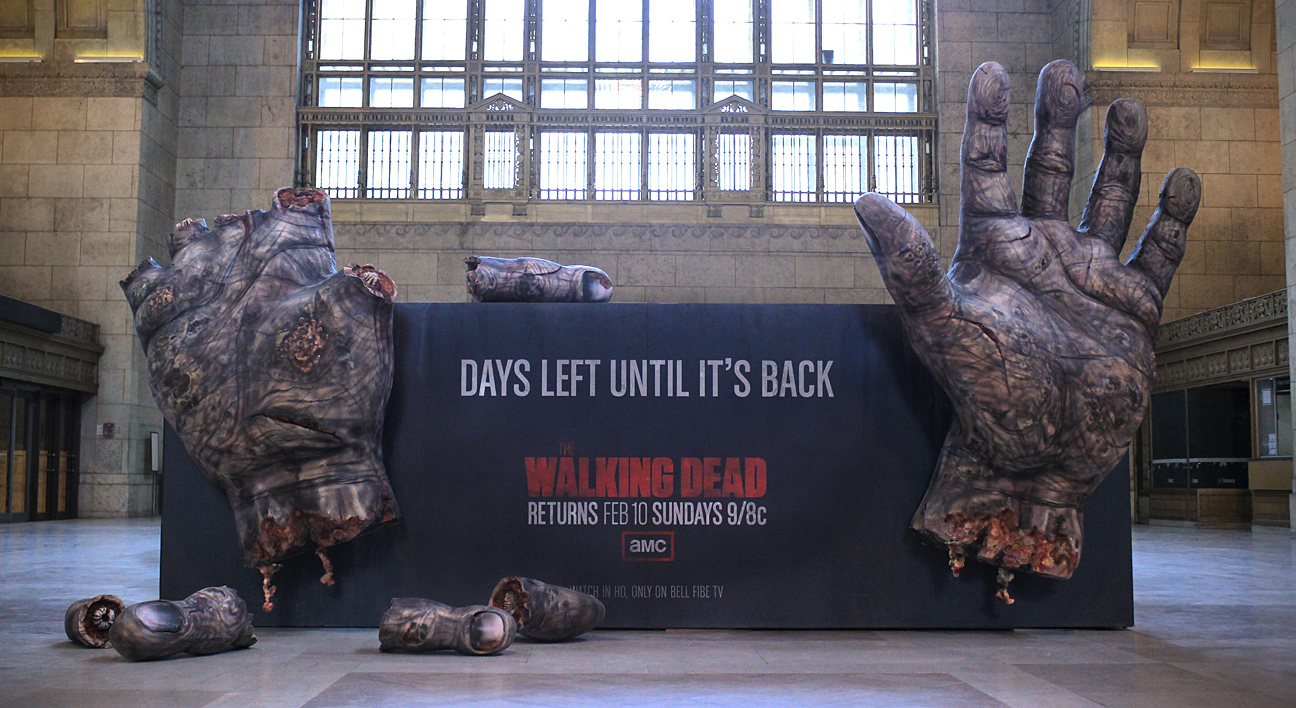
Not just for small shops
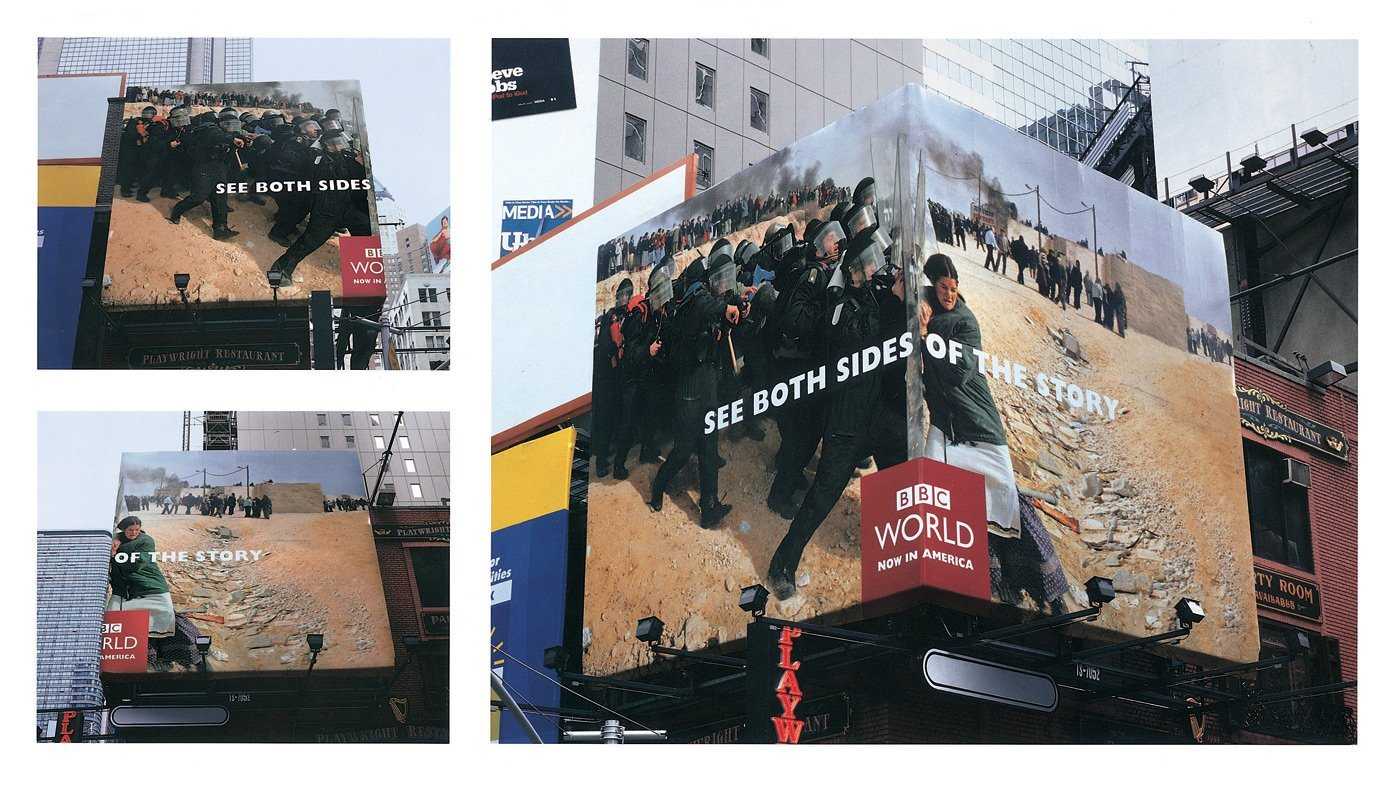
Guerrilla marketing is not just for small or medium-sized businesses anymore. Major networks, studios, and global brands run these stunts at scale. The format spans everything from indie startups to AMC promoting The Walking Dead with zombie performers loose in city centers.

The format runs across every product category. Some examples read as crass or even vulgar, but most marketers would argue that’s exactly the point. Breaking through the noise often takes a controlled provocation.
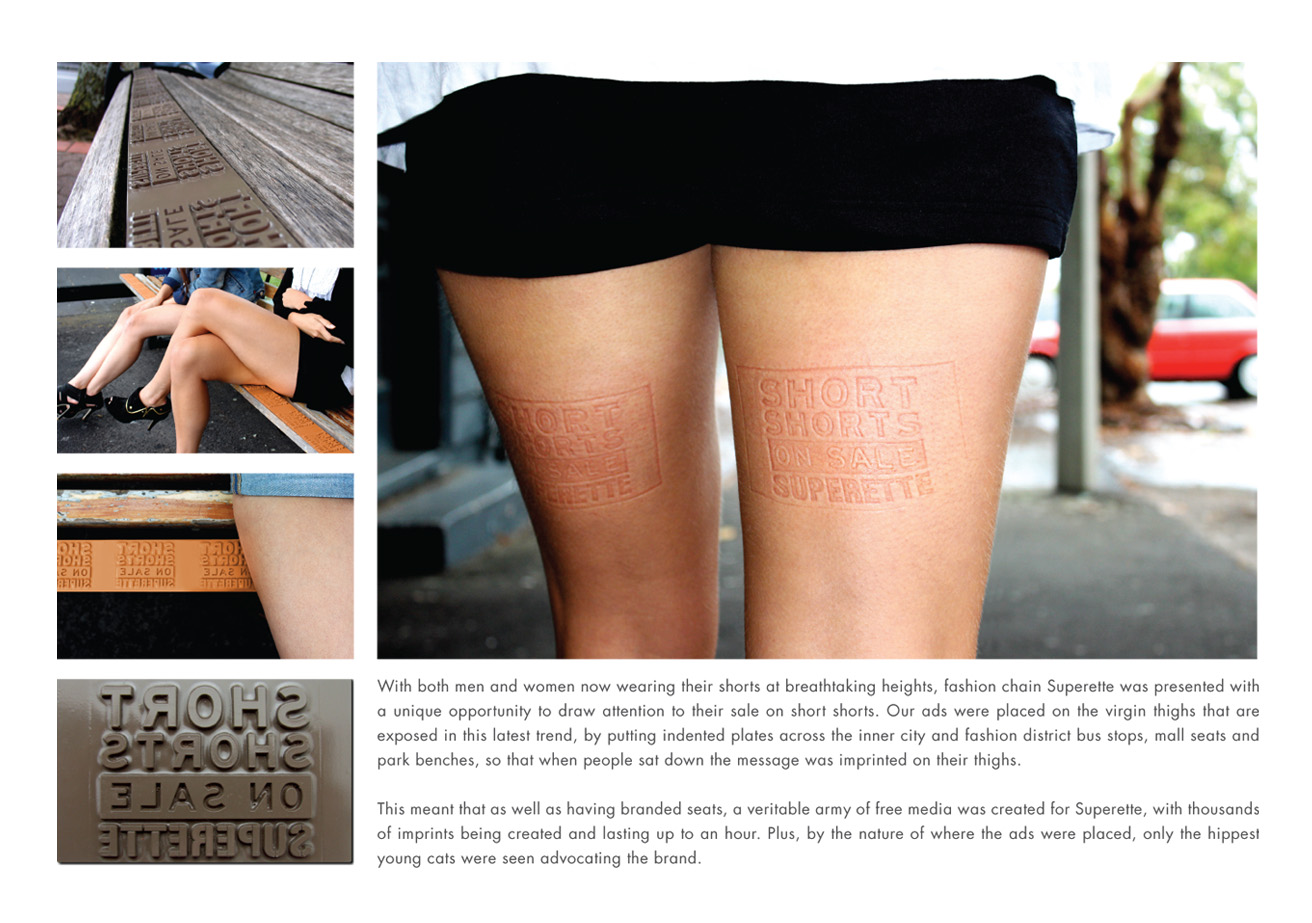
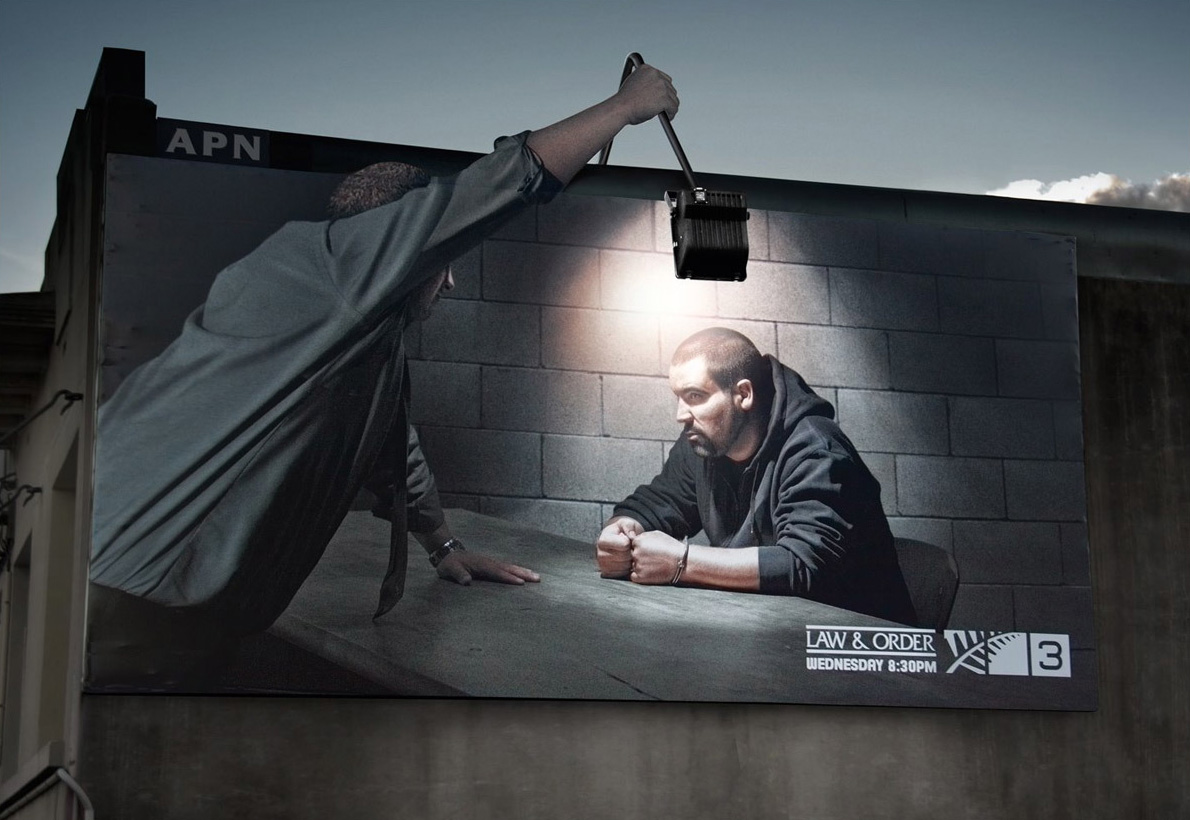
Most guerrilla campaigns require interaction from the consumer before a purchase even enters the picture. Sometimes the interaction is unintentional. Sometimes it’s a surprise. The surprise itself is the message, and the brand earns a few seconds of attention by pattern-breaking.
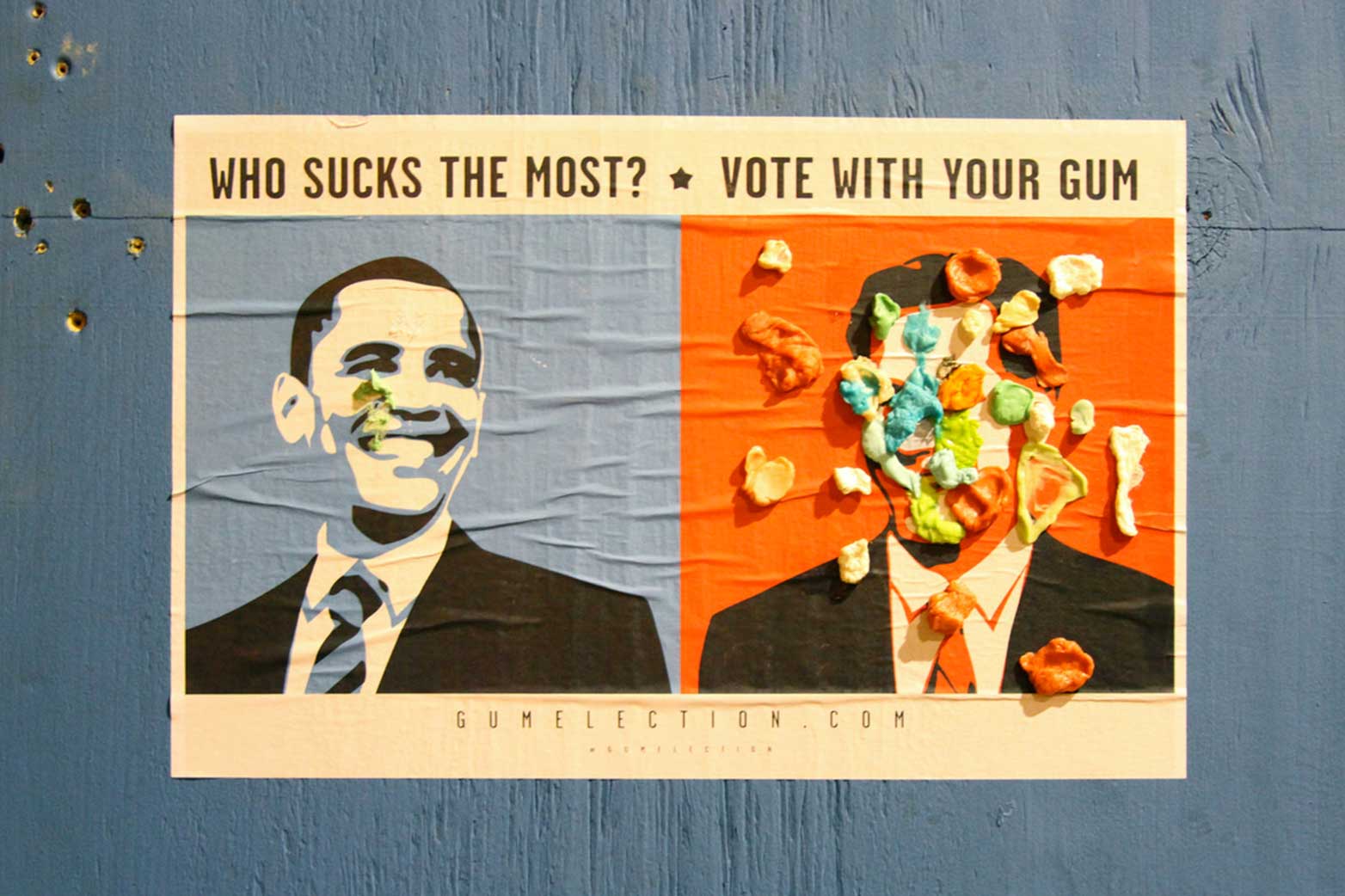
Politics, religion, and causes
Politics and religion have ruffled their share of feathers using guerrilla tactics. Who said this was just for selling consumer products? The format often shines brightest in service of a cause. A good guerrilla idea can shift attitudes on issues that traditional advertising won’t touch.
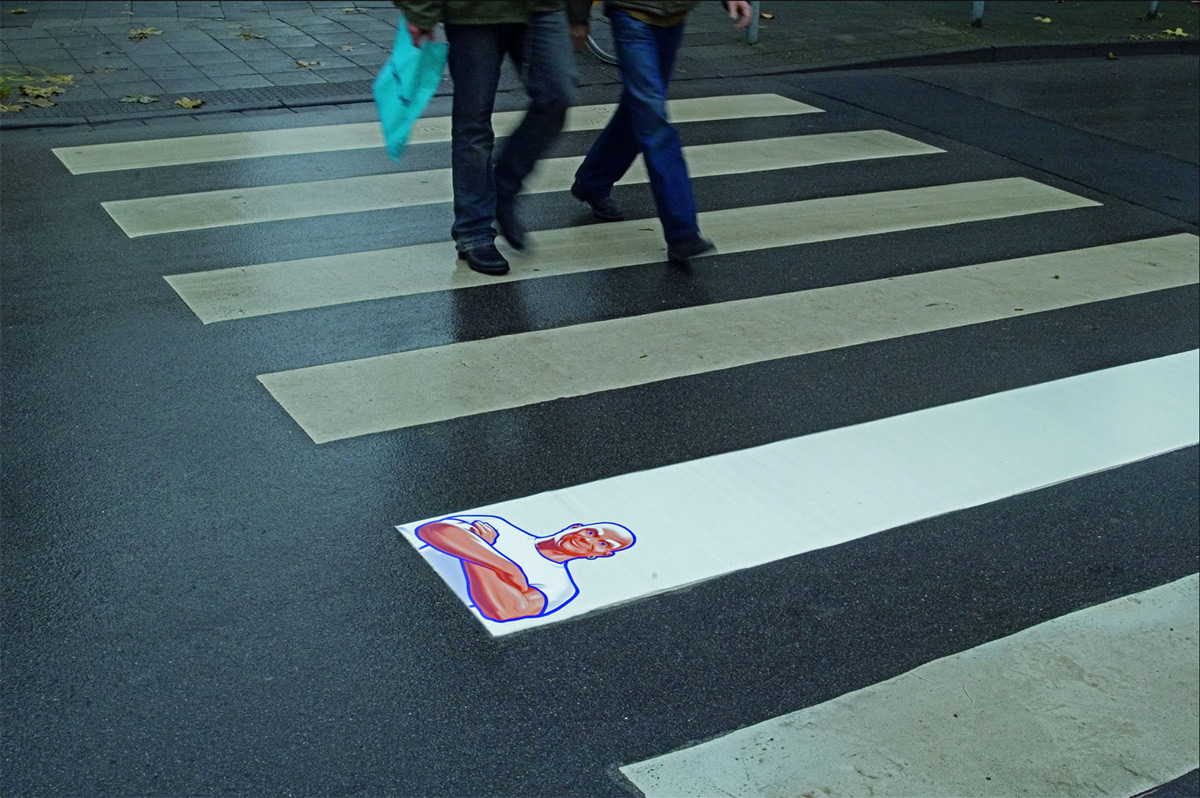
Even when the call to action is unclear and the product line is fuzzy, the impact still lands. As long as the brand reads through, the campaign has done its job. The Mr. Clean crosswalk stunt proves the point, since one extra-bright stripe on a zebra crossing is enough to lock in the brand.
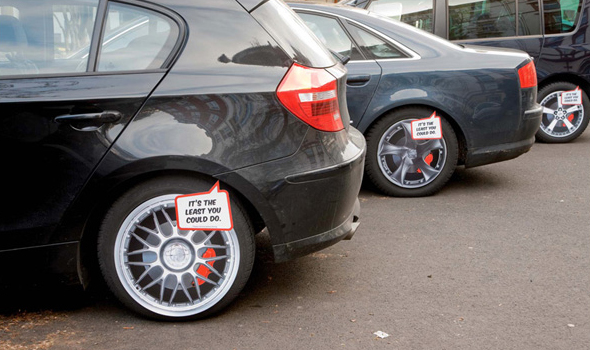

Global initiatives have leaned into guerrilla marketing for years. Climate awareness, public health, and human rights groups keep using the format. The genre has carved out a place far beyond commerce.
The risks
Because of the nature of guerrilla, the message and objective have to be locked down before launch. Otherwise the audience may misread it entirely. The format invites interpretation, and an interpretation off the brand brief can do real damage. Smart teams spend extra cycles stress-testing the idea before it goes live.
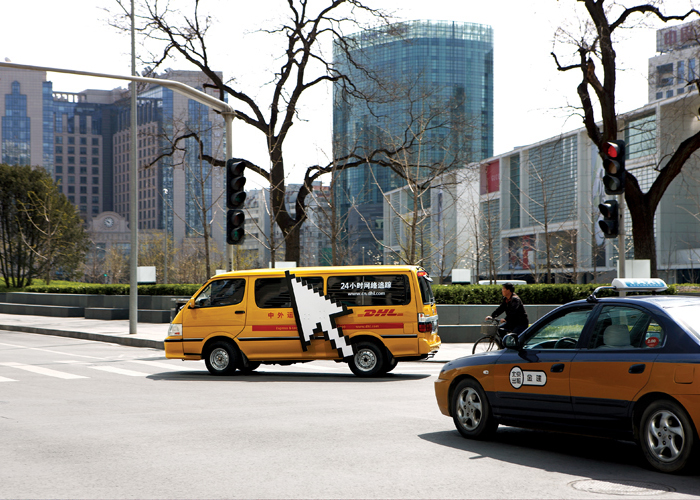
Word-of-mouth advertising compounds the risk. Once a story is in the wild, it doesn’t stay focused. The rumor-like spread can twist the brand message or muddy the takeaway entirely. The upside is huge, but only if the foundation is right.
Frequently Asked Questions
Guerrilla marketing is a low-cost, unconventional advertising approach that relies on creativity, surprise, and direct interaction with consumers in everyday environments. The term was popularized by Jay Conrad Levinson in his 1984 book Guerrilla Marketing. Common tactics include flash mobs, street installations, viral content, and stunt-based campaigns rather than traditional paid media.
American businessman and author Jay Conrad Levinson coined and popularized the term in his 1984 book Guerrilla Marketing: Easy and Inexpensive Strategies for Making Big Profits from Your Small Business. The book sold more than 21 million copies and spawned a series of follow-ups that became required reading for small-business marketers.
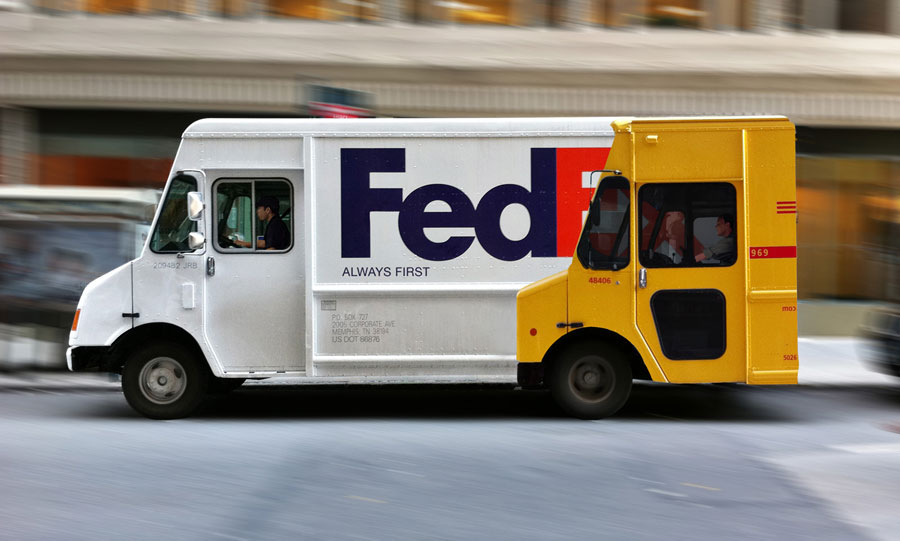
No. While the format originated as a strategy for small businesses with limited budgets, major brands now run large-scale guerrilla campaigns. Companies like Nike, AMC, McDonald’s, FedEx, and DHL have all used unconventional installations, stunts, and out-of-home tactics to break through the noise of conventional advertising.
The format relies on interpretation, which means a campaign that lands wrong can damage a brand quickly. Risks include legal issues from unauthorized public installations, public backlash if the stunt reads as offensive, and brand confusion when the message gets misread. Word-of-mouth spread is also uncontrollable once the campaign goes live, so misinterpretations can compound rapidly.